What is a SaaS PIM system?
A Saas PIM solution is an online product information management tool, available on a subscription. This software-as-a-service tool is also known as an on-demand PIM and is often cloud-based.
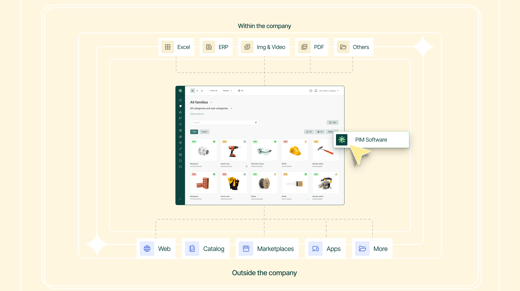
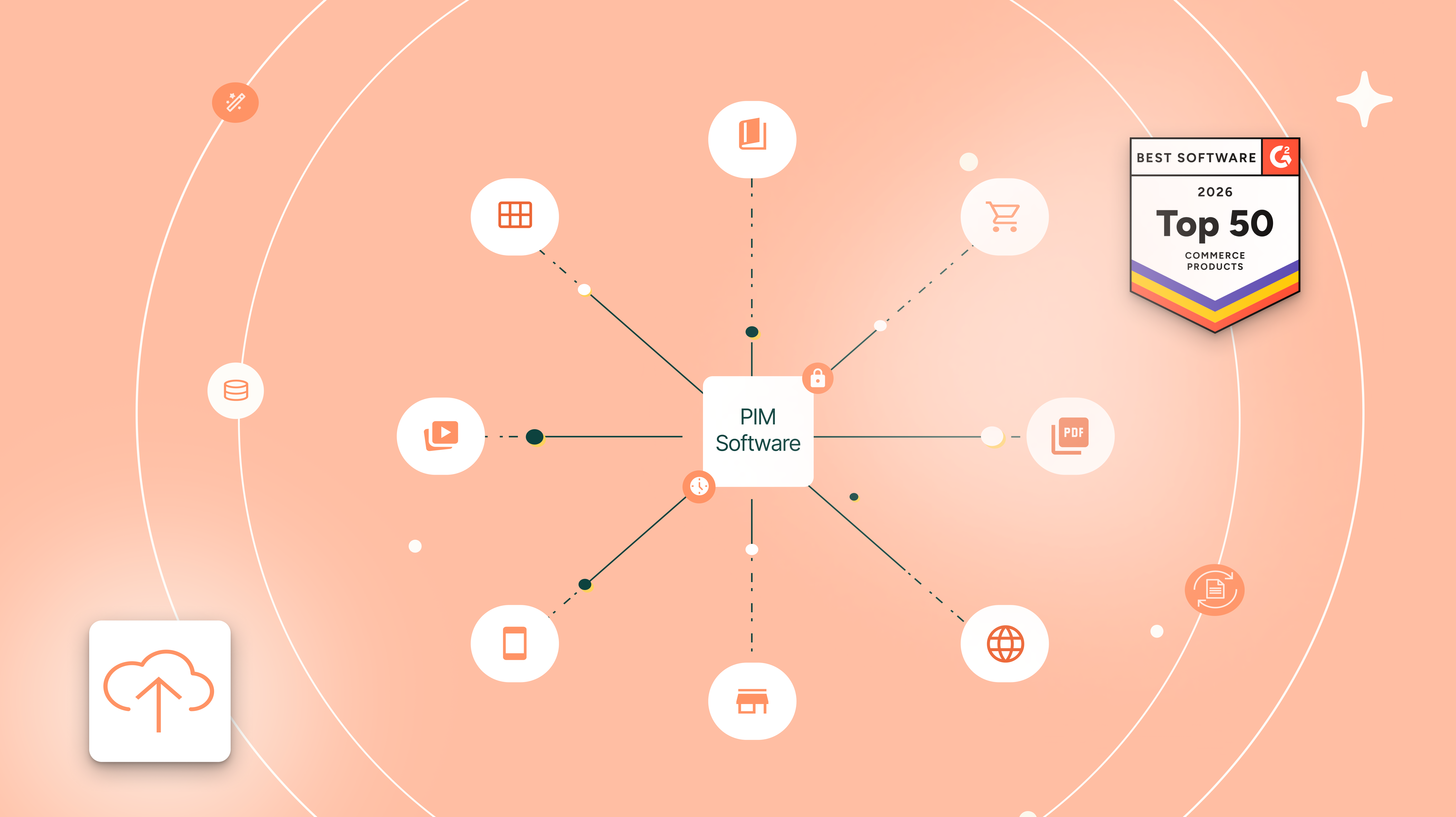
For manufacturers, retailers and distributors, a SaaS PIM solution offers flexibility in implementing a product information management strategy. The tool allows brands to consolidate and automate all product data, with the ability to convert 1000s of product spreadsheets into 1 centralized hub. From here, you can analyze your data with a Quality Score, fix errors and optimize information, then synchronize your changes across all of your selling platforms and marketplaces, in real time.
How does a SaaS PIM differ from other solutions? SaaS vs on-prem vs open-source
The SaaS route offers an alternative to traditional on-premise software, which needs to be installed in all of the devices where it’s going to be used. SaaS software is therefore more convenient as it can be accessed anywhere, without the need to download or install it.
SaaS PIM also differs from an open source PIM in that its code is closed and can’t be modified through client use. For this very reason, a SaaS PIM is a smoother and more comfortable tool to use as it doesn’t require you to have a background in technical IT.
These platforms are easy to install and offer all of the maintenance, software updates and integration with other systems or channels that you may need. Rates also include onboarding and training, as well as continuous customer service and technical support, should you require any assistance.
.png?width=1200&height=700&name=que-es-un-pim-EN%20(1).png)
Advantages of SaaS PIM software
- Lower costs: reduce IT, hosting, update, and maintenance work so teams spend less budget overall.
- Faster setup: teams start managing product data without complex installations or long IT delays.
- Easy scaling: add more products, users, markets, and channels as the business keeps growing fast.
- Work anywhere: update, review, and approve product data from any device or location, as needed.
- Built-in support: security, backups, permissions, and technical help are all included by default.
Key Features of SaaS PIM Solutions
Working with software-as-a-service applications offers a range of valuable features:
Features for Centralizing Product Data Management
The first is that SaaS solutions often include functionalities that facilitate ease of use. In the case of a PIM, it's important to provide ways to easily import data from existing sources like ERP systems and Excel files. Additionally, SaaS solutions can be accessed directly from browsers, enabling teams to work collaboratively without relying on different data centers.
Features for Enhanced Data Sharing
Choosing a cloud-based solution instead of building your own enables broader and more efficient ways to share product information, often through native integrations with e-commerce platforms and marketplaces.
Features for Faster Time to Market
Opting for a SaaS solution, as opposed to on-premises or open-source systems, significantly reduces time to market. SaaS eliminates the need for support from specialized technical teams, such as infrastructure or back-end software developers.
Features for Data Protection
SaaS platforms often serve customers globally, making security a top priority for their technical teams. Sales Layer, for example, has dedicated professionals and provides several functionalities, such as Single Sign-On (SSO) authentication, and is ISO 27001 certified, ensuring top-tier security compared to on-premises alternatives.
Features for AI adoption
Modern SaaS PIM platforms make product data structured, centralized, and ready for AI-driven commerce. They connect product information to MCP, ACP, UCP, ecommerce platforms, marketplaces, ERPs, and custom applications without complex on-premise upgrades.

SaaS Solutions Compared by Feature Set
| Centralizing Product Data Management | Enhanced Data Sharing | Faster Time to Market | Data Protection | AI adoption | |
| Sales Layer | AI-ready hub for complex B2B product data control | Connectors, workflows and role-based data tasks | 6-week onboarding with fast multi-channel launch | ISO 27001, SOC 2, OAuth, encryption and role controls | AI Agents, MCP, REST API, ACP and ChatGPT plugin |
| Stibo | 100+ connectors, SAP links, governed master data | Syndication workflows with access role controls | SaaS admin tools, automation and 100+ connectors | ISO 27001, SSO, roles and approval history logs | ProductGen AI, LLM, Azure OpenAI and MCP Server |
| Akeneo | ERP imports, SAP accelerators, CSV and XLSX files | Activation workflows and user permission controls | Shopify sync, SAP accelerators and app controls | ISO 27001, SOC 2, SAML SSO and app role controls | AI agents, market signals, MCP and Stripe partner |
| inriver | ERP, PLM, suppliers and partner ingestion flows | Marketplace distribution with field-level access | Integration framework and governed AI workflows | ISO, SOC 2, SSO and field-level access controls | AI enrichment, SEO and localization content flows |
| Salsify | Supplier onboarding, APIs, webhooks and records | Commerce integrations and group-based permissions | Tasks, validations and AI workflow orchestration | SOC 2, ISO controls, SAML SSO and group controls | Angie, Intelligence Suite and AI workflow support |
| Pimberly | ERP feeds, REST APIs, CSV and golden record setup | Marketplace links with approval workflow controls | Admin setup and workflow-led product launch tools | TLS, encrypted tokens, backups and ACL controls | AI operations and agentic readiness for catalogs |
| Syndigo | ERP ingestion, EDS and product import-update APIs | Commerce network, mappings and user role controls | ERP/API flows and workflow-driven channel exports | SOC 2, ISO 27001, SSO and role management tools | AI automation, ACP and product publishing network |
How to choose the best SaaS PIM
When it comes to choosing a SaaS PIM, there are several criteria to check to ensure the platform offers everything you need on-demand.
- Cloud storage, as opposed to servers owned by the service provider.
- A multi-tenant system.
- Configurable functions.
- API connections for quicker importing, exporting and integrating with other tools, platforms and marketplaces.
- Quick onboarding and implementation.
- Technical support and 24/7 helpdesk, in multiple languages.
- Zero additional costs to the agreed rate for new functions and features.
- Ability to scale plan with larger product data volume and more channels.
- Guided demos and free trials to introduce tools before any plan is approved.
Sales Layer’s SaaS PIM software provides a perfect option for B2B and B2C companies of all sizes seeking a product information management tool without looking to invest a lot of time, money and resources into its installation and maintenance. Our intuitive PIM helps you to free up product marketing teams to focus on other important tasks.
Book a meeting with one of our specialists to find out how our SaaS PIM can help you grow your business.

.png?width=520&name=3200x1796%20(3).png)