
Five years ago, TikTok was not part of most commercial strategies. Today, it is shaping how products are discovered and evaluated, even in industries with complex offerings.
Short-form video has changed how buyers interact with products. What used to require detailed catalogs or long product pages can now be communicated in seconds. For manufacturers and distributors, this creates a new opportunity to present products in a more accessible format.
The question is no longer whether TikTok is relevant. It is how early your business can test it as a channel.
Product Discovery Is Driving Demand
The hashtag #TikTokMadeMeBuyIt shows how discovery influences purchasing decisions. Users are not always searching with intent. They encounter products through content, evaluate them quickly, and move forward.
This shift matters for B2B as well. Buyers may still rely on technical specifications, but the first interaction increasingly happens through visual and simplified formats.
TikTok’s scale reinforces this trend. With over 1.6 billion monthly active users and continued growth projections, it represents a channel where attention is already concentrated.
From a digital marketing perspective, this is a clear example of how content becomes a primary driver of engagement and conversion.
Rethinking Common Objections
Many B2B companies hesitate to explore TikTok. The same arguments appear across industries:
- “Our customers are not on TikTok.”
They may not be there to purchase immediately, but they are there to evaluate and compare. - “Our products are too technical.”
Complex products benefit from visual explanation. A short video can clarify use cases faster than a static document. - “This does not fit our sales model.”
Buyer behavior is evolving. Discovery is happening earlier and across more channels.
For manufacturers managing large product catalogs, this shift highlights the need to adapt how product information is presented, not just where it is published.
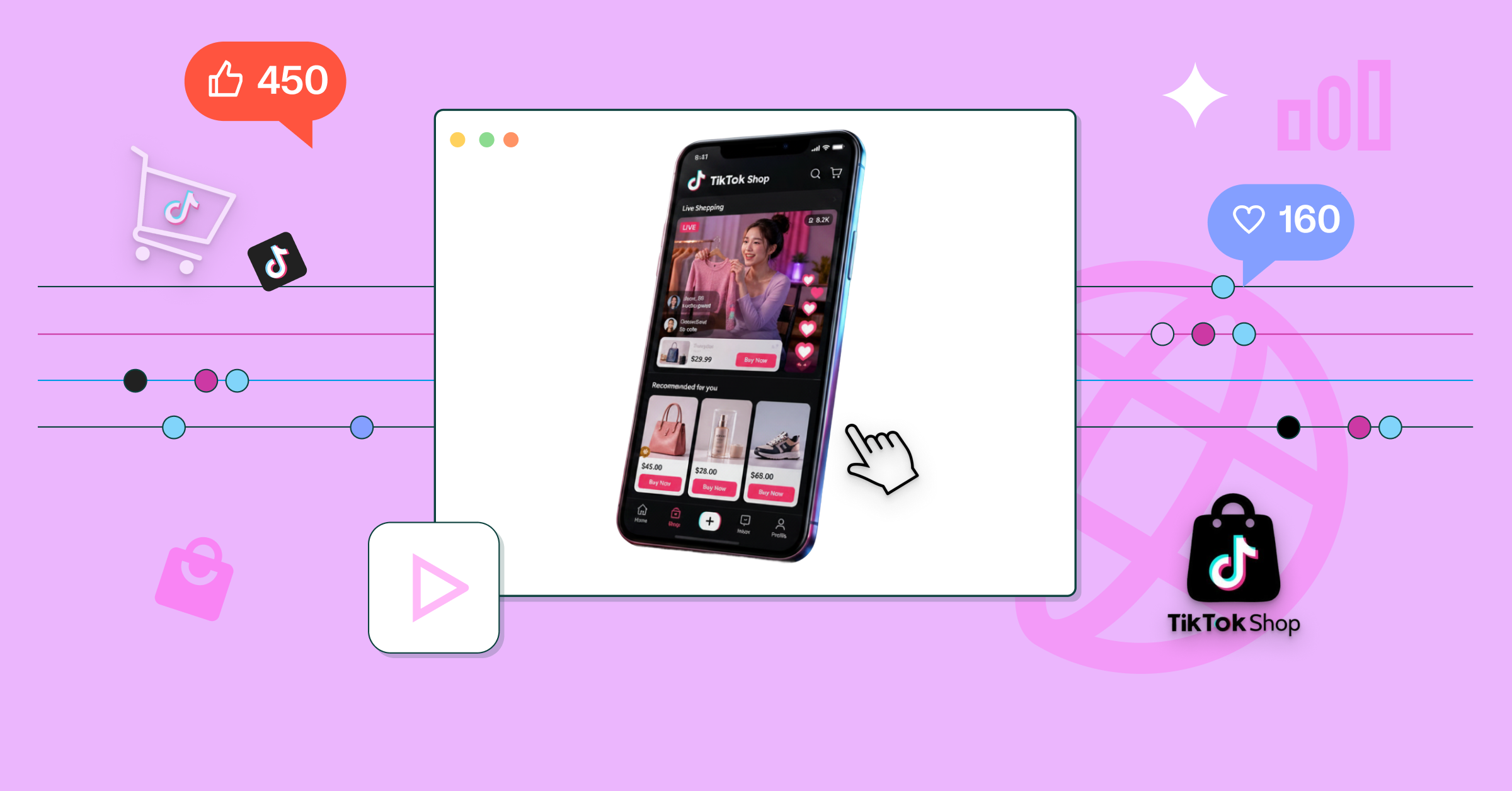
Why TikTok Shop Works Differently
Traditional ecommerce relies on search. Users know what they need and look for it. TikTok operates on a different model. Discovery comes first, intent follows.
Here’s what makes TikTok Shop unique:
-
Content-led selling. Products are demonstrated in context. This reduces friction and accelerates understanding.
-
Social proof at scale. User-generated content acts as validation. Buyers trust real use cases over promotional messaging.
-
Real-time interaction. Live sessions allow companies to present products, answer questions, and guide decisions instantly.
This combination shortens the path from awareness to purchase, even for products that typically require longer evaluation cycles.
How B2B Brands Can Approach TikTok Shop
Identify products that translate visually
Not every product fits the format. Focus on items where value can be shown quickly:
- Operational improvements.
- Before and after scenarios.
- Efficiency gains in real environments.
Turn product data into content
Your product information already contains the insights needed for video content. Specifications, use cases, and comparisons can be simplified into short, clear formats.
For companies handling complex catalogs, this requires structured and accessible product data. Without it, scaling content across channels becomes difficult.
Use customers as advocates
Real use cases resonate more than polished campaigns. A technician using equipment, a warehouse team improving workflows, or a side-by-side comparison of processes creates credibility.
This aligns with the principle of social proof, where buyers rely on the experience of others to validate decisions.
Experiment with live formats
Live sessions introduce urgency and allow direct interaction. Instead of static demos, they create a dynamic environment where questions are answered in real time.
Focus each session on solving a specific problem. This keeps the content relevant and actionable.
Operational Considerations Behind the Scenes
Adopting a channel like TikTok Shop is not only a marketing decision. It also impacts how product data is managed and distributed.
Manufacturers and distributors often deal with:
- Complex attribute sets.
- Multiple teams enriching product data.
- Several sales channels requiring consistent information.
To support new channels, product information needs to be accurate, structured, and ready to adapt to different formats.
This is where Product Information Management (PIM) becomes critical. A centralized platform allows teams to manage, enrich, and distribute product data across channels, ensuring consistency and reducing manual work .
Without this foundation, scaling content for platforms like TikTok becomes inefficient and error-prone.
A Practical Starting Point
For teams exploring TikTok Shop, a structured approach works best:
- Select one product with clear visual value
- Test different content formats, such as demos or comparisons
- Run a live session focused on a specific use case
- Enable direct purchasing through TikTok Shop
- Track conversions, not just engagement
This aligns with a broader content marketing strategy, where valuable content supports each stage of the buyer’s journey .
A Channel Worth Testing Now
TikTok Shop is reshaping how products are discovered and evaluated. For B2B companies, it introduces a new layer to the digital sales mix.
Some organizations are still observing. Others are already testing and refining their approach.
The difference will come down to how quickly teams can adapt their product data, content strategy, and internal processes to support this type of channel.
If your product can be understood in 20 seconds of video, you already have a strong starting point.